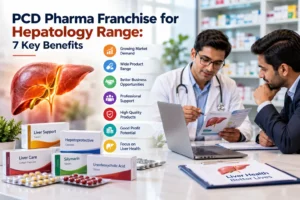
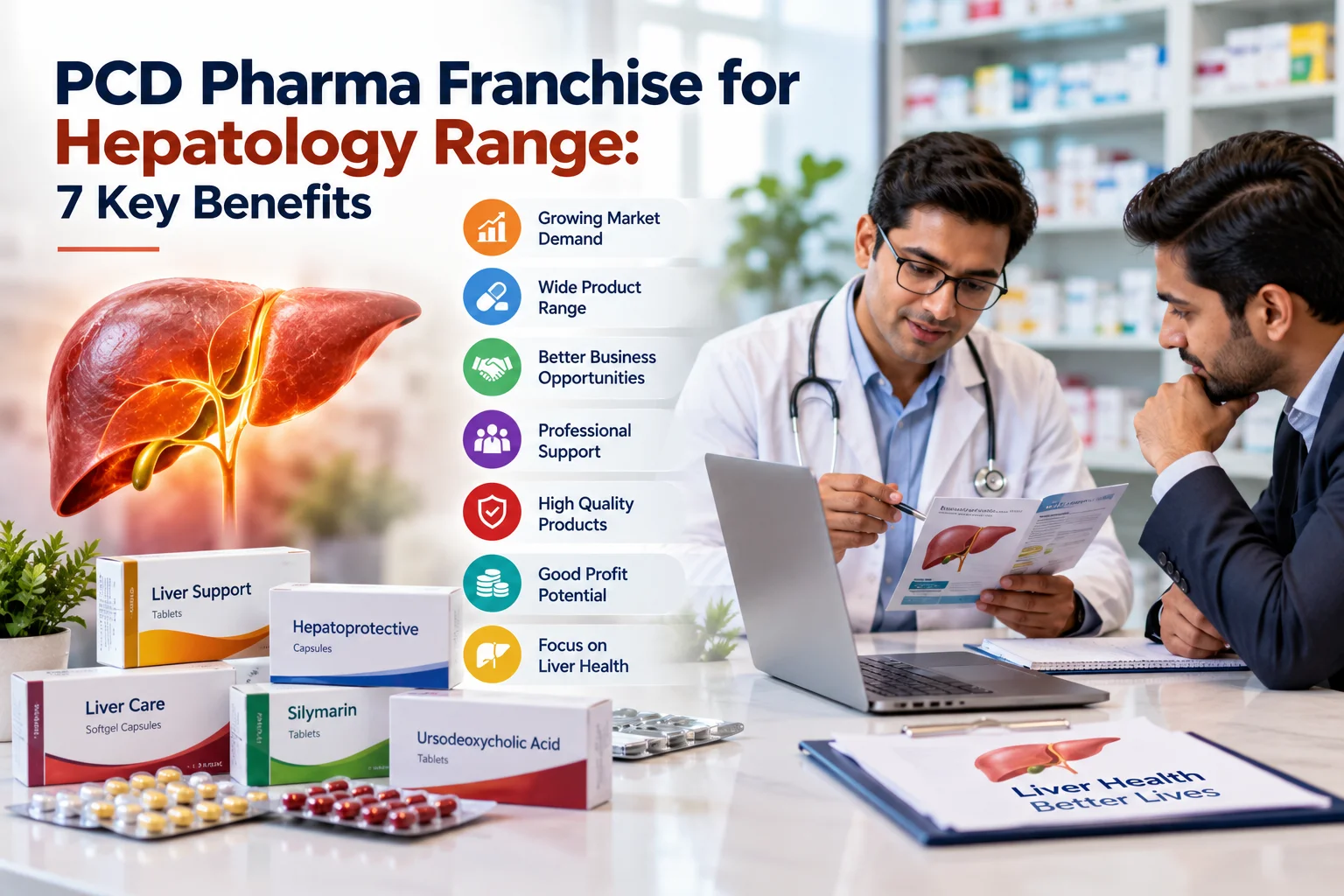
The PCD Pharma Franchise for Hepatology Range offers an opportunity for pharmaceutical distributors, medical representatives, and aspiring entrepreneurs interested in the liver healthcare segment. Hepatology focuses on the diagnosis and management of liver-related conditions, making liver care medicines an important category within the pharmaceutical industry. For people looking to establish or expand a pharma distribution business, choosing a suitable product portfolio and a dependable pharmaceutical partner is essential.
Chemo Biological is a company to consider when exploring pharmaceutical franchise opportunities. Before entering this segment, prospective franchise partners should understand the market, evaluate product quality and availability, review commercial terms, and assess the healthcare needs of their target area. A well-planned approach can help build professional relationships with healthcare providers and create a sustainable distribution business.
Understanding the PCD Pharma Franchise for Hepatology Range
A PCD pharma franchise is a business arrangement in which a pharmaceutical company authorizes an individual, distributor, or business to market and distribute selected products within an agreed territory. The specific arrangement may include product supply, promotional materials, commercial terms, and territorial conditions, depending on the company’s policies.
A PCD Pharma Franchise for Hepatology Range focuses on medicines and related pharmaceutical products intended for liver care and associated clinical needs. Depending on the manufacturer’s portfolio, the range may include different formulations designed for use under appropriate medical supervision. Product availability varies by company, so franchise applicants should request a current product list rather than assume that every hepatology category is included.
This business model may suit people who already have experience in pharmaceutical sales or distribution. It can also interest entrepreneurs who understand the importance of regulatory compliance, inventory management, and ethical promotion. However, success depends on more than obtaining franchise rights. It requires a clear business plan, reliable supply arrangements, and a strong understanding of the local healthcare market.
Why Hepatology Is an Important Pharmaceutical Segment
The liver performs several essential functions, including processing nutrients, supporting metabolism, producing bile, and helping the body handle various substances. Liver-related conditions can arise from multiple causes, and their diagnosis and treatment depend on the patient’s individual circumstances.
Healthcare professionals may manage conditions such as fatty liver disease, viral hepatitis, liver inflammation, and complications associated with chronic liver disease. These conditions require appropriate medical assessment, and treatment can differ considerably from one patient to another. Consequently, the hepatology segment calls for responsible pharmaceutical distribution and accurate product information.
For pharma entrepreneurs, the segment offers a specialized area in which to develop professional knowledge and business relationships. Rather than trying to serve every therapeutic category at once, a distributor may choose to focus on selected products that align with the needs of local clinics, hospitals, pharmacies, and healthcare professionals.
A PCD Pharma Franchise for Hepatology Range can therefore be considered as part of a focused business strategy. Before investing, however, franchise partners should assess local demand, competing brands, the availability of suitable products, and the requirements of the relevant healthcare market.
Benefits of a Hepatology PCD Pharma Franchise
1. A Specialized Product Portfolio
A specialized portfolio allows distributors to concentrate on a particular therapeutic area. Instead of managing a broad range of unrelated products, a franchise partner can learn about the indications, approved uses, formulations, storage conditions, and product documentation associated with the available hepatology range.
This focused approach can also make it easier to organize product information and plan sales activities. Nevertheless, distributors must communicate only approved information and should not make unsupported claims about the effectiveness or suitability of any medicine.
2. Opportunities to Develop Professional Relationships
Pharmaceutical distribution relies on consistent, ethical relationships with healthcare professionals and retail partners. A distributor who understands product documentation, supply timelines, and the needs of local customers can provide a more organized service.
For example, a franchise partner may plan regular visits, maintain accurate order records, and communicate stock availability clearly. Such practices help establish professional credibility without relying on exaggerated promises or inappropriate promotional tactics.
3. A Potentially Scalable Business Model
The PCD model may allow a business to begin with a defined territory and expand as its operations develop. Growth could involve serving additional pharmacies, improving distribution coverage, or adding products that complement the existing portfolio, subject to the franchise agreement and applicable regulations.
However, expansion should follow actual demand and financial capacity. Buying excessive inventory or entering new territories without adequate research can increase costs and create avoidable business risks.
4. Better Focus on Local Market Needs
A local market assessment helps identify which products and formulations may be relevant to the healthcare providers in a particular area. Franchise partners can review the local competitive landscape, distribution routes, customer requirements, and purchasing patterns before deciding on their product mix.
This process is particularly important in a specialized segment such as hepatology, where demand can vary by location and healthcare setting.
How to Choose the Right Pharma Franchise Company
Choosing a suitable pharmaceutical partner is one of the most important decisions when starting a PCD Pharma Franchise for Hepatology Range. A company’s product portfolio, documentation, manufacturing arrangements, distribution process, and commercial terms should all be evaluated before making a commitment.
First, request a detailed product catalogue and confirm which hepatology products are currently available. Review the relevant product information, dosage forms, packaging, batch details, expiry information, and storage requirements. Verify the applicable manufacturing and marketing authorizations, quality documentation, and regulatory compliance through appropriate records.
Second, understand the business agreement. Ask about minimum order quantities, payment terms, delivery timelines, return or replacement policies, promotional support, and any territorial restrictions. If exclusive distribution is offered, ensure that its conditions are clearly stated in writing rather than relying on verbal assurances.
Third, assess supply reliability. A product portfolio has limited commercial value if products are regularly unavailable or deliveries are unpredictable. Discuss order processing, stock communication, and procedures for handling damaged or expired goods.
Finally, compare the overall value instead of choosing solely on price. Product quality, documentation, supply consistency, transparent terms, and responsive communication are all important when selecting a long-term pharmaceutical partner.
Important Factors Before Starting Your Business
Before launching a PCD Pharma Franchise for Hepatology Range, estimate the investment required for initial inventory, transportation, storage, business registration, staff, and customer development. The total amount will depend on the selected products, order requirements, operating location, and the scale of the business. Request a written quotation to develop a realistic budget.
You should also understand the legal requirements applicable to pharmaceutical distribution in your location. Depending on the products and business activities, appropriate drug licences, registrations, qualified personnel, invoicing procedures, and recordkeeping may be required. Confirm the applicable requirements with the relevant drug control authority or a qualified compliance professional before beginning operations.
Inventory management deserves equal attention. Medicines have expiry dates and may require specific storage conditions. Maintain accurate stock records, follow first-expiry-first-out practices where appropriate, monitor remaining shelf life, and use suitable storage and transportation procedures. These steps can help reduce avoidable losses and support product integrity.
In addition, develop a clear customer acquisition plan. Identify potential pharmacies, clinics, hospitals, and distributors within your permitted territory. Build a practical schedule for customer visits and follow-ups, and maintain records of enquiries, orders, payments, and outstanding balances.
How to Build a Sustainable Hepatology Franchise
Long-term performance depends on consistent operations rather than short-term sales activity. Begin by defining your target territory and researching its pharmaceutical distribution landscape. Consider the number and type of healthcare facilities, existing competitors, logistics requirements, and the products that customers can realistically source.
Next, organize your product information. Keep current catalogues, approved product literature, price lists, and order details accessible to authorized staff. Ensure that all promotional communication follows applicable laws and the company’s approved materials. Never promise guaranteed treatment outcomes or recommend medicines directly to patients in place of a qualified healthcare professional.
Strong inventory controls can improve financial management. Review stock movement regularly, identify slow-moving products, and avoid purchasing quantities that exceed expected demand. Maintain clear records of expiry dates and supplier invoices, and establish a process for resolving shortages or delivery issues.
Customer service is another important differentiator. Respond promptly to product enquiries, communicate delivery updates, and handle complaints professionally. When problems arise, document them and coordinate with the supplier through the agreed process.
Finally, review business performance periodically. Track order frequency, sales by product, operating expenses, outstanding payments, and customer retention. These measures can help you identify what is working and make informed decisions about future investment.
Why Consider Chemo Biological?
Chemo Biological is a company prospective franchise partners can evaluate when researching pharmaceutical distribution opportunities. The search phrase “Chemo Biological is Trusted PCD Pharma Franchise” reflects the type of credibility buyers often look for when comparing companies. However, trust should be based on verifiable evidence, transparent communication, suitable products, and consistent business practices rather than a marketing statement alone.
Before entering an agreement with Chemo Biological, request its current hepatology product catalogue and confirm which products are available for franchise distribution. Ask for relevant regulatory and quality documentation, commercial terms, supply arrangements, and details of any territory-related conditions.
It is also sensible to compare the company’s offering with your local market requirements. Review the product range, expected investment, delivery arrangements, and level of support that can be confirmed in writing. This process allows you to make an informed decision and set realistic expectations for the business.
A successful franchise relationship should benefit both parties through clear responsibilities, responsible product promotion, reliable communication, and compliance with applicable regulations.
Frequently Asked Questions
1. What is a PCD Pharma Franchise for Hepatology Range?
A PCD Pharma Franchise for Hepatology Range is a pharmaceutical distribution arrangement focused on products associated with liver care and related therapeutic needs. The franchise partner markets and distributes the products covered by the agreement within the permitted territory. Available products and commercial conditions depend on the pharmaceutical company.
2. Who can start a hepatology PCD pharma franchise?
Pharmaceutical distributors, medical representatives, experienced pharma sales professionals, and eligible entrepreneurs may explore this business opportunity. Applicants should understand the relevant licensing, registration, and distribution requirements before starting. Specific eligibility conditions can vary according to local regulations and the company’s franchise policy.
3. How do I choose the best PCD Pharma Franchise for Hepatology Range?
Compare product availability, quality documentation, applicable licences, pricing, minimum order requirements, delivery timelines, and written franchise terms. You should also research demand in your target territory and evaluate the supplier’s communication and stock-management processes. A careful assessment is more useful than relying on promotional claims alone.
4. Does Chemo Biological offer a hepatology product range?
Prospective franchise partners should contact Chemo Biological directly to obtain its latest product catalogue and confirm current hepatology product availability. They should also request relevant documentation, pricing, supply conditions, and details of the franchise arrangement before placing an order or making an investment.
5. What documents should I check before joining a PCD pharma franchise?
Check the applicable drug licences and registrations, product approvals, manufacturing and marketing documentation, tax and business records, and the written franchise agreement. Requirements vary by product and jurisdiction, so consult the relevant regulatory authority or a qualified professional to determine which documents apply to your business.
6. Is a PCD Pharma Franchise for Hepatology Range profitable?
Profitability depends on local demand, product selection, purchase costs, selling prices, competition, delivery expenses, inventory control, and payment collection. There is no guaranteed return. Prepare a business forecast, estimate operating costs, and confirm the commercial terms before investing in inventory.
7. How can I promote hepatology pharmaceutical products responsibly?
Use approved product literature, follow applicable pharmaceutical marketing rules, and communicate accurate information to authorized healthcare professionals. Avoid unsupported medical claims, misleading comparisons, and promises of guaranteed results. Responsible promotion and reliable customer service help support a professional distribution business.
Conclusion
A PCD Pharma Franchise for Hepatology Range can be a focused opportunity for entrepreneurs and pharmaceutical distributors who want to serve the liver healthcare segment. Building a sustainable business requires careful product selection, reliable supply arrangements, regulatory compliance, realistic financial planning, and strong professional relationships.
Chemo Biological is worth evaluating as part of your search for a pharmaceutical franchise partner. Before making a decision, confirm its current hepatology product range, relevant documentation, pricing, and written business terms. Contact Chemo Biological to request the latest product details and discuss whether its available offerings align with your business goals and target market.